
Functional Behavior Assessments (FBA) in Autism: A Step-by-Step Guide
Imagine you’re a parent of a child with autism who frequently engages in disruptive behaviors like throwing tantrums or hitting peers. The classroom disruptions are increasing, and it feels like no one understands why these behaviors occur or how to address them effectively. Your child’s teacher suggests an FBA, but what does that mean for your family? This guide will provide you with the tools and understanding needed to navigate through a functional behavior assessment.
What is an FBA?
A Functional Behavior Assessment (FBA) is a structured process used to identify the reasons behind challenging behaviors in individuals. It involves observing and analyzing specific situations where these behaviors occur, collecting data on the antecedents and consequences of those behaviors, and using that information to develop strategies for teaching new skills or reducing problematic ones.
Why FBAs Matter for Autism
FBAs are crucial for children with autism because they help educators and caregivers understand why certain behaviors happen. Without an FBA, it’s like trying to solve a puzzle without the right pieces. Guesswork about what triggers specific actions can lead to ineffective interventions that may even exacerbate issues. By pinpointing the function of a behavior (for example, seeking attention, avoiding demands), professionals can tailor educational and therapeutic approaches more effectively.
At Lighthouse Behavior, we’ve seen families struggle when they lack a clear understanding of their child’s behavior patterns. That’s why our ABA therapy services always begin with comprehensive assessments to identify the root causes of challenging behaviors.
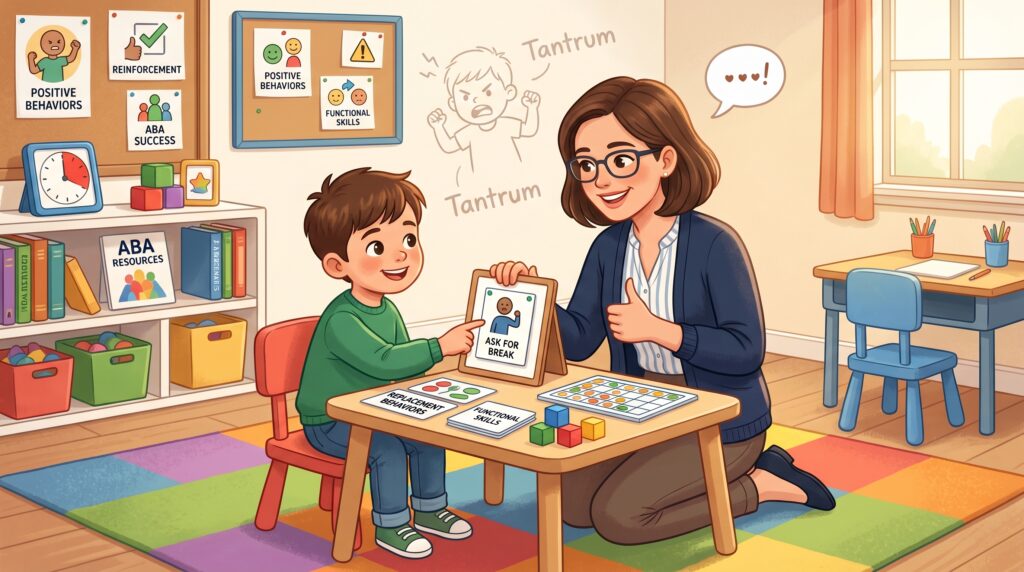
Step-by-Step FBA Process
1. Identify the Problem Behavior
Start by defining precisely what behaviors are problematic. This could include tantrums, self-injury, or aggression towards others. It’s essential to be as specific as possible when describing these behaviors so that everyone involved understands them in the same way.
2. Collect Data on Triggers and Outcomes
Gather detailed information about the circumstances surrounding each instance of the behavior. This includes noting what happened right before the behavior (antecedents) and immediately after it (consequences). Use tools like a behavioral checklist or event recording to ensure consistency in data collection.
3. Analyze Patterns and Themes
Review your collected data for patterns that could indicate triggers and consequences contributing to the problem behaviors. For example, you might find that hitting peers occurs when tasks are too challenging or when there’s a change in routine.
4. Hypothesize Function of Behavior
Based on your analysis, hypothesize why the behavior is happening. Common functions include gaining attention, escaping demands, accessing tangible items (like toys), or avoiding sensory overload. This step requires careful consideration and may involve discussions with multiple stakeholders to reach consensus.
5. Develop an Intervention Plan
Once you understand what triggers a behavior and how it is reinforced, create strategies aimed at addressing those underlying needs more constructively. For instance, if hitting peers happens due to difficulty following rules, teach alternative communication methods for expressing frustrations or provide clear instructions about expectations beforehand.
Understanding the Four Functions of Behavior
When conducting a Functional Behavior Assessment (FBA), it’s crucial to understand the four primary functions of behavior: escape, attention, access to tangibles, and sensory. Each function reflects different needs or motivations that drive challenging behaviors in children with autism.
Escape
Escape behaviors occur when an individual wants to avoid or get out of something unpleasant or difficult. For example, a child might throw a tantrum to get out of completing math homework they find too challenging. Understanding this can help educators provide alternative strategies for the child to communicate their distress and seek assistance without resorting to disruptive behavior.
Attention
Attention-seeking behaviors are driven by the need to receive attention from others. This could be positive or negative attention. For instance, a student might repeatedly call out in class to gain teacher focus rather than waiting quietly for turn-taking opportunities. Knowing this helps create structured environments where appropriate communication channels are encouraged and maintained consistently.
Access to Tangibles
Behaviors aimed at gaining access to preferred items or activities often involve the child acting out to obtain something they desire, such as a toy or snack. An example might be hitting peers during playtime to get their toys. By identifying these patterns, educators can find alternative ways for the student to request desired items or engage in exchange-based systems that teach trading and waiting.
Sensory
Sensory-driven behaviors occur when an individual experiences discomfort due to sensory inputs such as loud noises, bright lights, or tight clothing. For example, a child might cover their ears or run away from noisy playground equipment to avoid auditory overstimulation. Recognizing these triggers enables caregivers to provide sensory supports like ear defenders or quiet spaces to help the child self-regulate and manage overwhelming sensations.
Red Flags: When to Schedule an FBA
Identifying when it’s time for a Functional Behavior Assessment is critical in addressing persistent behavioral challenges effectively. Here are some specific warning signs that indicate an FBA might be necessary:
- Persistent Aggression: If a child frequently engages in aggressive behaviors such as hitting, kicking, or biting others, especially during transitions or academic tasks.
- Self-Injurious Behavior: When a student harms themselves through actions like head banging, scratching, or biting their hands, often indicating a need for sensory input or escape from discomfort.
- Severe Tantrums: If the child experiences frequent, intense tantrums that disrupt daily routines and are not responsive to typical calming strategies.
- Avoidance of Tasks: Persistent avoidance of specific tasks or activities could signal underlying anxiety or frustration with demands, necessitating an understanding of their triggers.
- Social Isolation: When a child isolates themselves from peers consistently due to difficulty in social interactions, which may stem from sensory sensitivities or lack of appropriate communication skills.
Recognizing these red flags early can lead to more effective interventions and improved quality of life for both the child and those around them. Lighthouse Behavior emphasizes proactive approaches to prevent such issues by conducting timely FBAs.
Developing an Intervention Plan
Once you understand the function behind a behavior, developing an intervention plan becomes much clearer. Here are specific examples based on the four functions discussed earlier.
For Escape Behaviors
For escape behaviors, focus on teaching alternative ways for children to communicate their distress and need for help. For instance:
- Modifying Assignments: Provide simplified versions of tasks or break them down into smaller steps.
- Sensory Breaks: Offer breaks in a calming sensory room with soft lighting and soothing colors.
For Attention-Seeking Behaviors
To address attention-seeking behaviors, ensure that positive reinforcement is consistent and clear when the child uses appropriate communication methods:
- Token Economy System: Implement a system where children earn tokens or points for using their voice to get attention instead of interrupting.
- Visual Schedules: Use visual schedules to reduce uncertainty about turn-taking and transition times.
For Access to Tangibles
Teach children exchange-based systems that allow them to request desired items in an appropriate manner:
- Token Exchange: Use a token system where the child can trade tokens for access to preferred toys or snacks.
- Communication Boards: Provide communication boards with pictures of desirable items, encouraging non-verbal requests.
For Sensory-Driven Behaviors
For sensory-driven behaviors, focus on providing sensory supports and creating environments that reduce overstimulation:
- Sensory Kits: Prepare kits with noise-canceling headphones, fidget spinners, and weighted blankets.
- Structured Transitions: Develop routines for transitions to ensure a smooth change from one activity to another.
By addressing the underlying needs through these strategies, you can help children learn more adaptive ways of meeting their goals, leading to reduced problematic behaviors over time. Our BCBA services include creating customized intervention plans based on thorough FBAs and ongoing support throughout implementation.
Common Mistakes During FBAs
- Overgeneralizing: Assuming one incident represents the entire pattern without sufficient evidence.
- Ignoring Contextual Factors: Not considering environmental elements that influence behavior (for example, noise levels, time of day).
- Rushing to Intervene: Implementing changes based on insufficient data collection or analysis.
FBA vs. Other Behavioral Assessments: What’s the Difference?
While various behavioral assessments exist, a Functional Behavior Assessment stands out due to its focus on understanding why specific behaviors occur rather than just documenting them. Here’s how an FBA differs from other common assessments:
Behavior Rating Scales
Behavior rating scales are standardized tools used to evaluate various aspects of behavior across different settings. They provide quantifiable data but lack the detailed analysis provided by an FBA regarding antecedents and consequences.
Observational Assessments
Observations involve watching a child in specific situations and noting behavioral patterns. While observational assessments can be insightful, they often do not examine the broader context or underlying motivations for behaviors as comprehensively as an FBA does.
Cognitive Evaluations
Cognitive evaluations assess intellectual capabilities and reasoning skills but typically do not address the practical application of behavior management strategies. An FBA complements cognitive evaluations by focusing on real-world behavioral issues.
How Results Lead to Behavior Plans
The insights gained from an FBA inform the creation of a positive behavior support plan. This plan outlines specific interventions designed not only to decrease unwanted behaviors but also to increase desired ones that serve similar functions (for example, using appropriate speech instead of tantrums). Success in implementing these plans often requires collaboration between parents, teachers, therapists, and other professionals involved with the child.
Practical Example: John’s Case Study
John, a 7-year-old boy diagnosed with autism, frequently engages in self-injurious behavior whenever faced with challenging academic tasks. His parents and teachers noticed patterns suggesting that sensory sensitivities exacerbated his frustration levels during these moments. For instance, John would often cover his ears when given worksheets with too many visual elements or show signs of distress when asked to work in a noisy classroom.
After conducting an FBA, they identified that John’s need to escape aversive stimuli was often met by engaging in self-harm rather than asking for assistance. Using this information, they developed a new system where John could signal distress through simple gestures or pictures before escalating into harmful actions. They also provided sensory breaks and modified assignments to better match his processing abilities.
Specific interventions included:
- Sensory Breaks: Providing quiet spaces with soft lighting during transitions.
- Modified Assignments: Breaking down tasks into smaller, manageable steps with visual supports.
- Communication Cards: Giving John cards to signal when he needs a break or help understanding instructions.
Over time, these adjustments reduced the occurrence of self-injury while enhancing overall engagement in classroom activities. John began using his communication cards more effectively and was less likely to engage in harmful actions during challenging tasks.
When to Request an FBA at School
Parents should consider requesting an FBA if:
- The same challenging behaviors persist despite attempts at management.
- Academic performance or social interactions are significantly impacted by behavioral issues.
- Existing strategies seem ineffective in improving quality of life for both the child and those around them.
Consultation with your child’s IEP team can help determine whether conducting an FBA is appropriate. Learn more about what is ABA therapy and how it complements FBAs in creating comprehensive support plans. Remember, early intervention through a well-conducted FBA leads to better long-term outcomes for children facing behavioral challenges.
Working with Your Child’s School and IEP Team
Collaborating closely with your child’s school and Individualized Education Program (IEP) team is crucial for implementing an effective FBA-based intervention plan. Here are actionable steps you can take:
- Communicate Regularly: Maintain open lines of communication with teachers, therapists, and other professionals involved in your child’s care.
- Review IEP Goals: Ensure that the goals set align with findings from the FBA and address specific behavioral needs identified.
- Advocate for Resources: Advocate for necessary resources such as sensory supports or additional therapy sessions to support interventions.
- Monitor Progress: Regularly review progress on both behavior plans and academic performance. Adjust strategies based on ongoing feedback.
- Train School Staff: Provide training sessions for school staff on understanding the FBA results and implementing new strategies effectively.
By actively participating in these collaborative efforts, you can ensure that your child receives consistent support across all settings, leading to improved outcomes and a better quality of life.
Conclusion
Understanding how to conduct an effective FBA is crucial for navigating challenging behaviors associated with autism spectrum disorder. By following our step-by-step guide, you equip yourself not only with practical knowledge but also a proactive approach toward improving daily interactions and learning experiences for individuals on the spectrum. Remember, at Lighthouse Behavior, we’re dedicated to supporting every family through similar journeys. For more resources and expert guidance, explore our guides on breaking down complex skills through task analysis, or contact us to discuss your unique case in detail.
The journey toward understanding and managing autism-related behaviors is deeply personal for each family. With the right tools and professional support, significant improvements are possible. Your next step could be reaching out for a consultation with our experienced team or exploring additional resources tailored to your child’s specific needs.