
As adolescents approach adulthood, they face significant developmental tasks that require them to take greater control of their lives. The transition from childhood to young adulthood is a critical period during which teens need to develop independence in decision-making, self-advocacy, emotional regulation, and time management. Applied Behavior Analysis (ABA) offers powerful tools for parents and caregivers to support this process. By understanding how ABA principles and their applications, you can help your adolescent build the skills necessary to thrive.
Why Independence Matters During Adolescence
Adolescents who are supported in developing independence experience enhanced self-efficacy, better mental health outcomes, and improved academic performance. According to a study by Eccles (2004), adolescents with high levels of autonomy are more likely to engage in goal-directed behaviors and exhibit higher motivation in school settings. This is crucial for teens as they prepare to transition into adulthood where independence becomes increasingly important.
How ABA Principles Support Teen Autonomy
Behavior analysis provides a framework that focuses on observable, measurable behavior changes through the identification of antecedents and consequences. By applying these principles, parents can effectively teach their adolescents skills necessary for autonomy without resorting to traditional, sometimes ineffective methods like nagging or punishing.
Function-Based Interventions
Understanding why behaviors occur is key in ABA. Adolescents may struggle with independence due to deficits in social skills, lack of motivation, anxiety, or an environment that discourages self-reliance. Once the function of a behavior is identified, interventions can be tailored to address these root causes. This approach has been proven effective in evidence-based ABA services for adolescents.
Positive Reinforcement and Schedules
Positive reinforcement involves providing something desirable following a desired behavior to increase its likelihood in the future. For example, rewarding your teen with extra screen time for completing chores independently encourages them to take on more responsibilities on their own. Implementing daily or weekly schedules that include specific times for homework, leisure activities, and self-care helps teens establish routines they can follow without constant supervision.
Skill Building Through Breakdown
Complex tasks like managing emotions or advocating for oneself can be overwhelming when approached as a whole. By breaking these skills down into smaller steps, you enable your teen to master each part before moving on to the next. For instance, teaching emotional regulation might start with recognizing feelings and progress to identifying triggers and appropriate responses.
Specific Strategies for Common Teen Challenges
Decision-Making
Decision-making is an essential skill for adolescent autonomy. Adolescents often struggle with making choices due to limited experience or overthinking options. Using a decision matrix can simplify this process. List the possible outcomes of each option, weigh pros and cons, and rank them in order of preference.
Example: When choosing between two extracurricular activities, consider factors such as interest level, time commitment, skill development opportunities, and compatibility with other commitments. Discussing these aspects together helps your teen develop a systematic approach to decision-making.
Self-Advocacy
Self-advocacy involves speaking up for oneself and one’s needs. Adolescents who lack this skill may feel misunderstood or unheard in social and academic settings. Role-playing scenarios where your teen practices expressing their thoughts, feelings, and needs can be highly effective. Start with low-stress situations before moving on to more challenging ones.
Example: If your teen is dealing with bullying at school, rehearse what they would say to a teacher or peer to address the issue effectively. Practicing in advance builds confidence and prepares them for real-life interactions.
Managing Emotions
Emotional regulation is crucial for adolescents navigating complex social dynamics and academic pressures. Mindfulness exercises like deep breathing, journaling, or guided imagery help teens recognize their emotional states and respond appropriately rather than react impulsively.
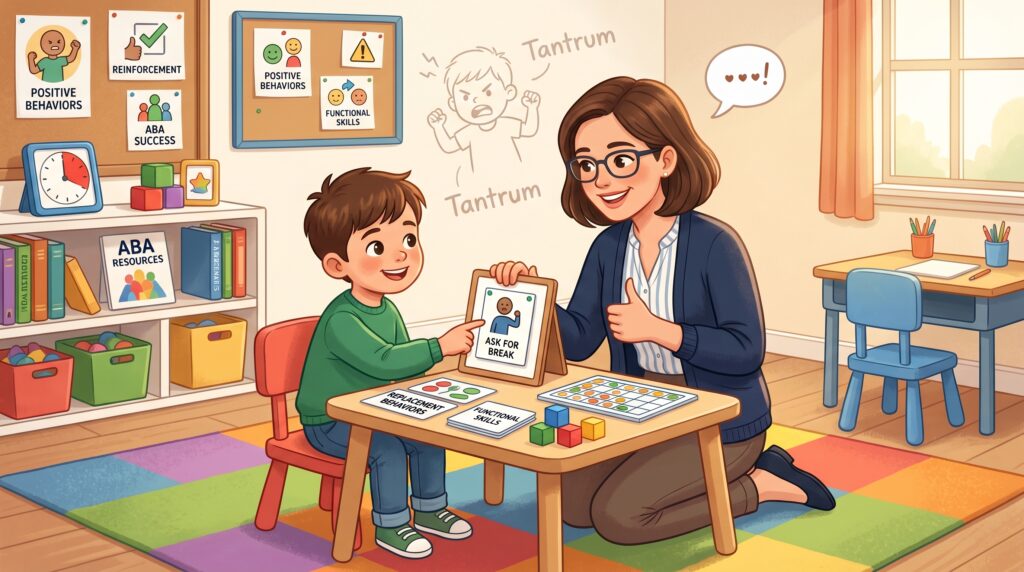
Example: Teach your teen to identify the physical sensations that accompany different emotions (e.g., tension in shoulders during anxiety). Encourage them to take a moment to breathe deeply when these signs appear to reduce intensity before addressing the situation. Working with a BCBA can provide additional personalized strategies for your family.
Time Management
Effective time management ensures adolescents have sufficient time for schoolwork, hobbies, socializing, and self-care. Introducing tools like digital calendars or planners can help teens visualize their schedule and allocate time appropriately among activities.
Example: Encourage your teen to block out specific times in a planner dedicated solely to homework each day. This routine helps establish consistency and reduces procrastination by clearly delineating study periods from leisure time.
Examples of Real-World Applications
Let’s consider how these strategies might play out in everyday scenarios:
Scenario 1: Decision-Making About Extracurricular Activities
Suppose your teenager needs to decide between joining the school’s robotics club or a local sports team. Together, you create a decision matrix with criteria such as interest level, skill development potential, and logistical considerations like travel time. By weighing these factors objectively, they can make an informed choice that aligns best with their goals.
Scenario 2: Self-Advocacy During Bullying
When your teen experiences bullying at school, you practice self-advocacy techniques together. You role-play conversations where your teen asserts themselves confidently in the presence of a teacher or counselor who might help resolve conflicts amicably and establish boundaries with bullies.
Scenario 3: Managing Stress Through Mindfulness
In dealing with stress from exams, introduce your teenager to mindfulness exercises tailored specifically for anxiety reduction. For instance, instruct them on how to perform deep breathing techniques during moments of heightened tension before they engage in study sessions or other activities requiring mental focus. Our ABA training programs offer evidence-based approaches parents and professionals use to support teen success.
When to Seek Professional Help
While these strategies can significantly aid adolescents in developing independence, there are times when additional support from professionals is warranted. If your teen struggles immensely with managing emotions, time management, decision-making, or self-advocacy despite consistent application of ABA principles and practical exercises at home, consulting an ABA therapist or psychologist might be beneficial.
Professionals trained in behavior analysis can conduct thorough assessments to pinpoint specific areas where targeted interventions are needed. They can also provide personalized guidance on how best to foster your adolescent’s growth through evidence-based practices beyond what may be feasible within a family setting alone.
Key Takeaways
Helping adolescents develop independence is not only about letting go but empowering them with the tools they need to succeed in life. By applying ABA principles, parents can create structured yet supportive environments that nurture autonomy across various domains such as decision-making, self-advocacy, emotional regulation, and time management.
Through careful observation of behavior patterns, functional analysis, positive reinforcement techniques, and skill-building activities broken down into manageable steps, you enable your teen to become more confident and capable in navigating life’s challenges independently. Remember, every adolescent progresses at their own pace; patience and consistency are key.
By integrating these strategies thoughtfully and seeking professional assistance when necessary, parents play a pivotal role in fostering adolescent autonomy through evidence-based practices rooted in behavior analysis.